

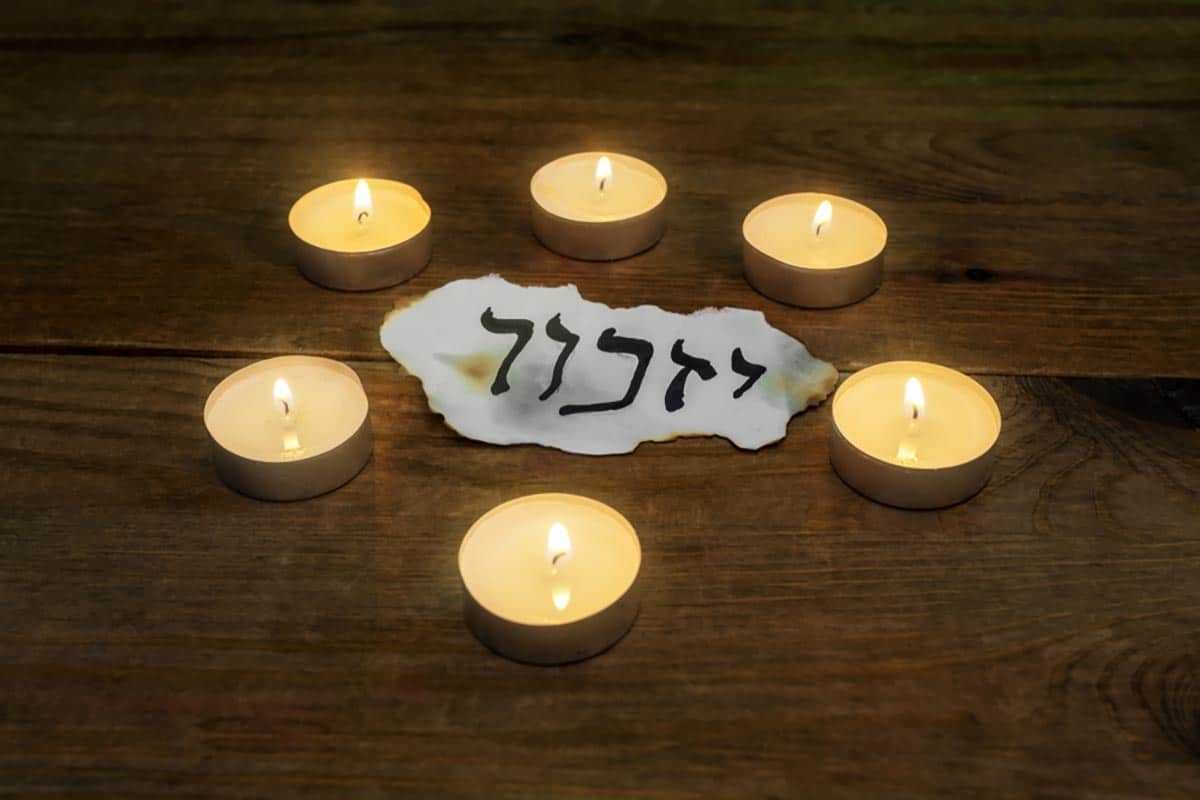
Yizkor gives families a meaningful way to pause, remember, and reconnect with the people whose presence shaped their lives. Grief often changes over time, but remembrance remains an important part of love, family, and faith. Through Yizkor, memory is not treated as something distant or private only in the heart. It is brought into prayer, spoken with intention, and held within a shared religious tradition that connects personal loss to communal reflection. For many families, this creates a moment of comfort, reverence, and continuity. It allows loved ones to be remembered not only for their passing, but for the lasting meaning of their lives.
Why Yizkor Still Matters
- A Sacred Moment for Remembrance
Yizkor helps families honor loved ones by creating a sacred space where memory is given structure, language, and dignity. Loss can be deeply personal, yet it can also leave people searching for a clear way to express what remains in the heart after someone is gone. Yizkor answers that need by turning remembrance into an intentional act rather than a passing thought. During the prayer, families are invited to reflect not only on absence, but also on the values, care, and history that their loved ones carried into family life. This matters because remembrance often becomes more powerful when it is tied to ritual. A ritual gives people something steady to return to, especially on days when emotions feel difficult to name. Yizkor also places private grief within a larger spiritual setting, which can reduce the loneliness that often follows loss. Instead of remembering in isolation, individuals remember as part of a tradition that has carried generations through mourning and reflection. That shared framework helps transform grief into an act of honor, allowing memory to remain active, spoken, and connected to faith rather than fading into silence.
- Prayer Keeps Family Bonds Visible
Another way Yizkor supports families is by preserving emotional and spiritual bonds across generations. Even after years have passed, the need to remember a parent, grandparent, sibling, or spouse does not disappear. In many homes, memory lives through stories, customs, recipes, names, and habits passed forward, but Yizkor adds another layer by giving remembrance a place in formal prayer. That moment can be especially meaningful because it recognizes that love and gratitude do not end with death. They continue through reflection, prayer, and the ways descendants carry forward what they received. Families who recite the yizkor prayer for mother and father often find that the act deepens their connection to both memory and responsibility, especially when they want remembrance to remain part of family life rather than a once-a-year feeling. Yizkor helps people speak to the importance of those who came before them without needing elaborate public expression. The prayer itself becomes a bridge between generations. It reminds families that honoring the dead is also a way of clarifying what they value in the living. In that sense, Yizkor does more than mark sorrow. It protects continuity, helping memory remain visible within the home, the synagogue, and the family’s moral identity.
- Shared Tradition Brings Comfort and Continuity
Yizkor also helps because it joins individual memory with communal rhythm. Grief can make people feel separated from ordinary life, but communal prayer can gently bring them back into a meaningful pattern of remembrance. When families recite Yizkor during sacred times of the year, memory becomes part of a wider spiritual calendar rather than an isolated emotional event. This can be deeply comforting. The prayer arrives not randomly, but at known moments when reflection is already present, making it easier for mourners to prepare their hearts and enter the experience with intention. In that setting, families may feel supported by the presence of others who are also remembering, even when each person carries a different story of loss. That quiet shared understanding can be powerful without needing explanation. It tells mourners that they are not alone in the work of memory. It also teaches younger family members that remembrance is not something hidden away from daily life or pushed aside when time passes. Instead, it remains part of religious practice, family identity, and moral continuity. By returning to Yizkor again and again, families create a pattern in which memory is renewed rather than left behind.
Honoring the Past With Living Meaning
Yizkor helps families honor loved ones by giving remembrance a sacred form that can be revisited across time. It makes memory more than a feeling that appears unexpectedly. It becomes a deliberate act of prayer, gratitude, and continuity. For many people, that act offers comfort because it keeps loved ones connected to family life, faith, and identity even after they are gone. Yizkor also reminds mourners that remembrance is not only about loss. It is also about carrying forward values, love, and responsibility. In that way, the prayer helps families preserve the meaning of a life while strengthening the bonds that continue among the living.
Read More: How Can You Enhance Focus and Mental Clarity Through Natural Remedies?
