

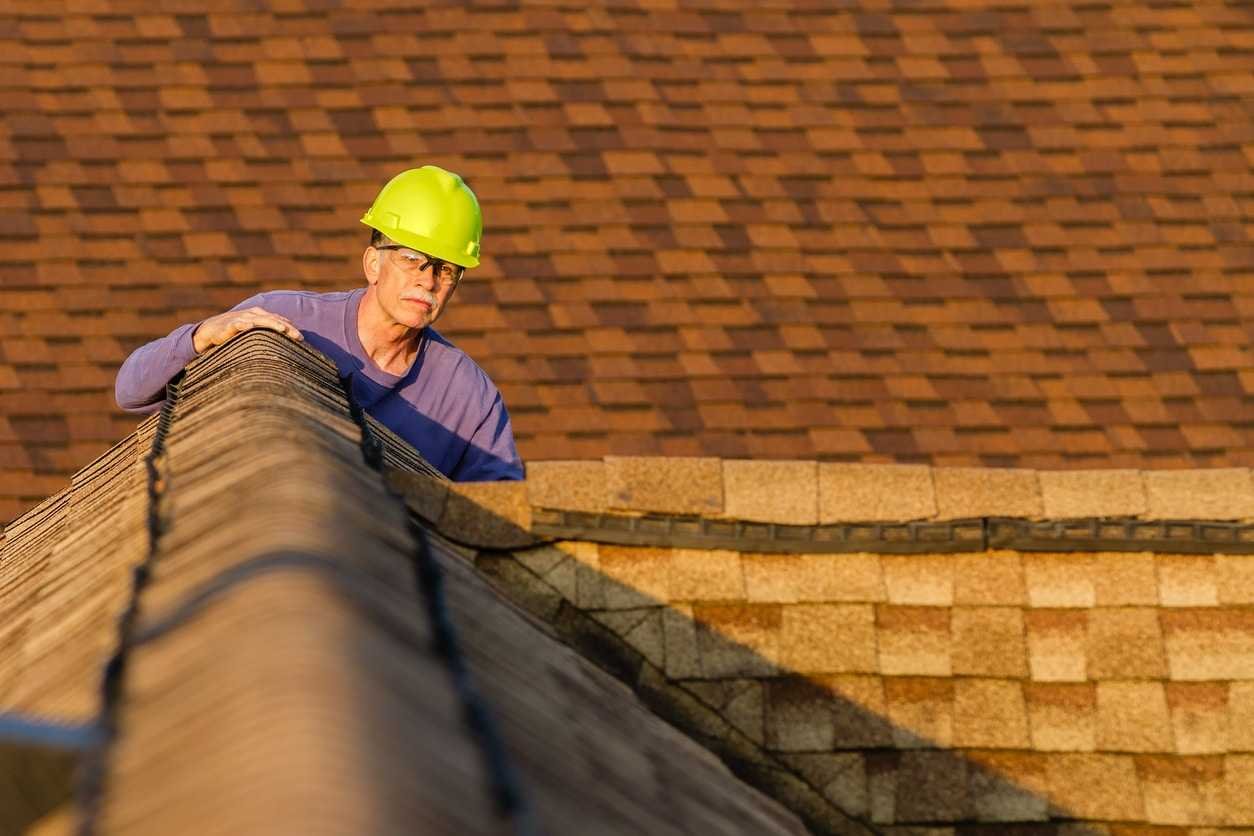
Regular roof inspections matter because the roof is one of the home’s main defenses against rain, wind, heat, and seasonal wear. Small problems can go unnoticed for months while water slowly seeps beneath the underlayment, decking, insulation, or into attic spaces. By the time stains appear indoors, the damage may already be wider than expected. A scheduled inspection helps catch cracked shingles, loose flashing, clogged gutters, soft spots, and seal failures before they create expensive repairs. For long-term protection, roof care should not wait until a leak appears. It should be part of responsible home maintenance through every season of ownership.
What Inspections Reveal
- Small Roof Problems Become Larger Leaks
A roof may look fine from the ground, while problems are forming out of sight. Missing granules, lifted shingles, rusted flashing, loose fasteners, worn pipe boots, and cracked sealant can all allow water to enter slowly. An inspection provides a close look at these weak areas before they become active leaks. This is important after heavy rain, strong winds, hail, or prolonged heat, because the weather can loosen materials without causing immediate indoor signs. Homeowners may also miss early clues because roof damage often begins around edges, valleys, vents, skylights, and chimneys. These are areas where water naturally gathers or changes direction. If damage is found early, repairs may be limited to a small section rather than spreading into the decking or ceilings. Homeowners who notice loose shingles or water marks may need to reach out to Apex Construction for roof repairs before moisture causes deeper structural concerns. Regular inspections turn hidden roof problems into manageable maintenance.
- Drainage Checks Protect More Than Shingles
Roof inspections also protect the home by checking how water moves away from the structure. Gutters, downspouts, valleys, roof slopes, and drip edges all affect whether rain drains properly or collects where it should not. When gutters clog with leaves, grit, and debris, water can back up under the roof edge or spill near the foundation. When valleys are damaged, water can pool in vulnerable areas and wear down shingles more quickly. Poor drainage can also add weight and moisture stress during storms. A careful inspection can reveal sagging gutters, separated seams, blocked downspouts, and worn roof edges before they create leaks or exterior damage. This matters because water problems are rarely limited to one spot. Moisture entering near the roofline can affect fascia boards, soffits, siding, attic insulation, and interior walls. Keeping drainage paths clear and roof edges protected helps the whole home resist water damage more effectively over time.
- Attic Warning Signs Matter Too
The attic often reveals roof trouble before the living space does, which is why inspections should include more than the exterior surface. Inside the attic, signs such as damp insulation, dark stains, musty odors, daylight through gaps, rusted nail tips, or uneven ventilation can indicate roof or airflow issues. Poor ventilation can trap heat and moisture, shortening the life of shingles and creating uncomfortable indoor conditions. In colder seasons, ventilation and insulation problems may contribute to condensation or ice-related damage in some climates. An inspection connects what is happening above the roof with what is happening beneath it. This full view helps identify whether the issue is a leak, a ventilation issue, a flashing problem, or a moisture buildup. Without checking the attic, a homeowner may only see part of the problem. Finding these warning signs early helps protect framing, insulation, ceilings, and indoor air quality from slow moisture damage.
- Inspections Make Repair Planning Easier
Regular inspections also help homeowners plan repairs rather than react to sudden emergencies. Roof problems often become more stressful when they are discovered during a storm, a home sale, or a period of heavy seasonal demand. Inspection reports can show which areas need immediate attention and which should be watched over time. This gives homeowners a clearer path for budgeting, scheduling, and prioritizing repairs. It can also help extend the roof’s usable life because small fixes protect materials that are still in good condition. For example, replacing a damaged boot, sealing a flashing gap, repairing a few shingles, or clearing drainage trouble may prevent larger sections from deteriorating. Inspections also create a maintenance record, which can be useful for insurance discussions, warranty questions, or future property decisions. When homeowners know the condition of their roof, they can make decisions with greater confidence and fewer last-minute surprises each season.
Long-Term Protection Starts Above
Regular roof inspections are important because they protect the home before damage becomes obvious. They help find small leaks, weather damage, drainage trouble, attic moisture, and aging materials while repairs are still manageable. A roof that is regularly checked is easier to maintain and less likely to catch homeowners by surprise with sudden water damage. Inspections also support better planning, longer roof life, and stronger property protection. Since the roof shields nearly every part of the home below it, caring for it early is a practical way to protect comfort, structure, belongings, and long-term value.
Read More: How Do AC Repair Technicians Diagnose Cooling Problems Quickly?
