

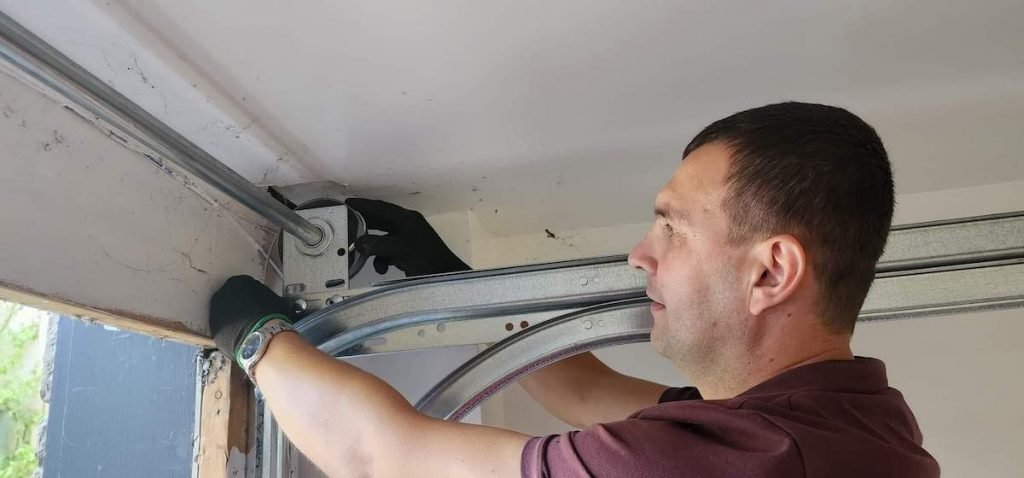
A garage door cable can be replaced in a single visit and still fail again if the real problem remains in service. That is what makes repeated cable issues so costly. The broken cable gets attention, but the condition that overloaded it, misaligned it, or wore it down too quickly often remains untouched.
For property managers, facility managers, and building owners, repeated cable failures are not a minor maintenance nuisance. It affects door reliability, access control, safety, and confidence in the whole system. A strong garage door repair service does not stop at installing a new cable and moving on. It looks for the reason the cable failed in the first place, because repeated cable problems usually point to imbalance, misalignment, worn hardware, or operating conditions the door can no longer handle cleanly.
Where Recurring Problems Usually Start
- A Broken Cable Is Rarely Alone
Garage door cables do not usually fail without help. They wear out faster when the door is out of balance, the drums are not tracking correctly, the springs are carrying uneven tension, or the door is dragging through the track. In those cases, the cable is not the only problem. It is often just the component that gives way first because it is under repeated stress every time the door opens and closes.
That is why repeated cable problems should never be treated as normal wear alone. One failed cable may be age-related. A second cable issue within a short period usually tells a different story. At that point, the repair service has to ask what is causing the cable to fray, unwind, jump the drum, or lose tension before its expected service life is over.
- Looking Past The Failed Cable
A company such as Don’s Garage Door Repair understands that cable replacement is only part of the real job when the same kind of failure keeps coming back. The visible issue may be the broken cable, but the deeper question is what the cable has been forced to compensate for. If the lifting system is uneven, the tracks are resisting movement, or the spring tension is off, the cable ends up carrying more stress than it was designed to handle.
That is why a proper diagnosis starts with the entire lifting path rather than the cable alone. The repair service has to inspect how the door rises, whether both sides lift evenly, whether the drum winding is correct, and whether the spring system supports the door as it should. Repeated cable problems are usually due to a system issue that causes one part to wear out faster than the others.
- Spring Imbalance Changes Cable Load
One of the most common causes of recurring cable trouble is spring imbalance. The springs are supposed to counterbalance the weight of the garage door so that the cables guide the movement under controlled tension rather than carry the full lifting demand. If one spring weakens, breaks, or loses its calibration, the cables begin to work under uneven load. One side may carry more weight, one drum may wind differently, and the cable may begin to wear in ways that replacement alone cannot fix.
This is especially important on doors that still appear to open and close, just not smoothly. A door can keep operating even when the spring system is out of balance, and that continued movement is exactly what shortens cable life. A repair technician checks spring condition, tension consistency, and balance behavior because the cable may be failing correctly in response to a spring system that is no longer doing its share of the work.
- Drum Wear Can Misguide The Cable
Cable drums play a major role in how the cable winds and unwinds as the door moves. If a drum is worn, damaged, misaligned, or loosely mounted, the cable may not seat properly in the grooves. Once that happens, the cable can ride unevenly, rub against edges, lose clean tension, or begin fraying long before it should. A cable that repeatedly slips or unwinds from the drum often signals a drum-related issue rather than a faulty replacement cable.
This is why technicians inspect the drums closely whenever there is a history of repeated cable failure. The question is not just whether the cable is attached. It is whether the drum is guiding it correctly through the full movement cycle. If the winding path is compromised, the same problem can recur even with a brand-new cable because the contact conditions have not changed.
The Real Cause Is Usually Mechanical
Garage door repair service identifies and treats the recurring cable problem, treating cable failure as evidence rather than the full diagnosis. They inspect the spring balance, drum condition, track resistance, door alignment, structural panel condition, opener force, and lifting hardware stability to determine the cause of cable overload or misfire. That wider view is what prevents the next replacement from becoming just another short-term fix.
For property managers and building owners, the takeaway is practical. A repeated cable problem is not just a cable problem anymore. It is a warning that the door system is operating under stress, and that stress will keep showing up until the real cause is corrected. When the diagnostic covers the entire lifting system rather than just the failed pane, the repair is more durable, the door is safer, and the cycle of repeat service calls is less likely to continue.
Read More: How Does Pressure Washing Help Restore the Look of Outdoor Surfaces?
