

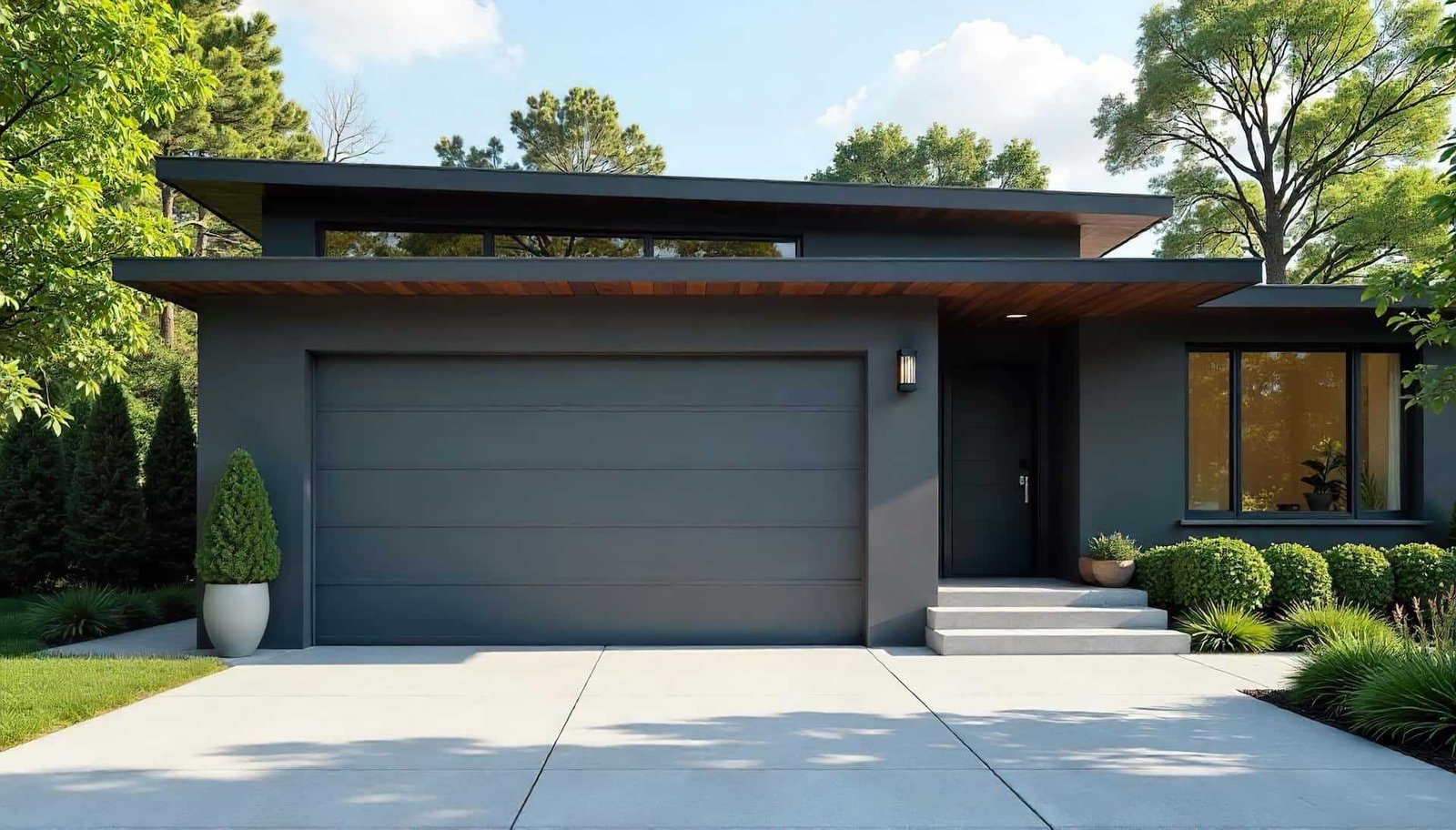
Garage doors are used frequently, yet many homeowners only notice problems when the door fails. Paying attention to subtle changes in operation can prevent larger issues. Early warning signs include unusual sounds such as grinding, squeaking, or rattling during opening or closing, sluggish movement, or uneven motion. Doors that hesitate, reverse unexpectedly, or fail to stay in position may indicate mechanical wear or sensor problems. Ignoring these signals can lead to broken springs, damaged cables, or motor failure. Understanding what constitutes normal versus abnormal operation helps homeowners schedule maintenance before minor issues escalate into costly repairs or safety hazards.
Recognizing Initial Warning Signs
- Visual Cues and Mechanical Indicators
Physical signs on the door itself often reveal underlying problems that require attention. Dents, warping, or cracks in panels, bent tracks, and frayed or rusted cables can all point to mechanical stress or damage. Windows that do not align or door edges that scrape the floor may indicate misalignment or worn rollers. Sensors that fail to detect obstructions or lights that flash irregularly may show electrical or control issues. Homeowners should inspect the door periodically, looking for these indicators. Local providers like Garage Door Doctor Repair of Garland offer guidance on identifying and addressing these early mechanical and visual signs, helping prevent complete system failure. Timely intervention reduces the risk to property and ensures the door continues to operate safely.
- Listening for Operational Irregularities
The sounds a garage door makes during operation often provide the first alert that maintenance is needed. Grinding noises may suggest worn gears or insufficient lubrication, while high-pitched squeals could indicate tension issues with springs or rollers. Uneven thumping or rattling during travel may be caused by misaligned tracks or loose hardware. A door that suddenly moves faster or slower than usual may signal motor strain or an imbalance in the counterbalance system. Paying attention to these subtle auditory clues can help homeowners address problems before a complete breakdown occurs. Early recognition of mechanical stress helps preserve components, reduce repair costs, and maintain reliable, quiet operation.
- Monitoring Door Movement and Balance
A properly functioning garage door should move smoothly and remain level as it travels. If one side moves faster, lags, or drifts, it may indicate worn springs, cables, or rollers. Doors that require extra effort to lift manually or settle unevenly when partially opened may also be experiencing counterweight or alignment problems. Sudden changes in balance or travel height often point to parts under stress or improper adjustment. Homeowners should test the door regularly by opening and closing it slowly while observing for wobbling, uneven gaps, or sticking. Early detection of movement issues helps prevent damage to tracks, hinges, and the motor, ensuring that the door operates safely for years.
- Electrical and Control System Alerts
Modern garage doors often include automatic openers, sensors, and remote controls that can signal maintenance needs. Sensors may fail to detect objects if misaligned, covered in debris, or damaged, posing safety hazards. Buttons or remotes that respond inconsistently can indicate electrical issues or wiring problems. Flickering lights on the motor unit or unusual odors during operation may also reveal impending failures. Recognizing these electronic warning signs is critical for maintaining both functionality and safety. A door that responds unreliably or unpredictably increases the risk of accidents and property damage. Prompt inspection and repair of electrical and control systems prevent small faults from escalating into larger operational or safety problems.
- Weather and Environmental Impacts
Exposure to temperature changes, moisture, and debris can affect a garage door over time. Wood panels may warp, metal parts may rust, and lubrication may break down, leading to harder operation or increased mechanical wear. Tracks can become misaligned due to settling foundations or repeated impacts, while snow, ice, and dirt may obstruct rollers or sensors. Recognizing when environmental factors are causing resistance, scraping, or unusual strain helps homeowners address issues before permanent damage occurs. Simple maintenance, such as cleaning, lubricating, or adjusting hardware, can significantly extend the life of a garage door. Monitoring the effects of environmental exposure ensures the door remains functional, safe, and efficient year-round.
- Preventative Inspection and Maintenance
Regular inspection can identify subtle signs that a door is beginning to fail. Checking springs, rollers, cables, hinges, and tracks for wear, misalignment, or corrosion helps detect problems early. Ensuring the door opens and closes smoothly, that sensors function correctly, and that controls respond reliably can prevent accidents or sudden breakdowns. Preventative maintenance may include tightening hardware, lubricating moving parts, and adjusting the balance to relieve stress on critical components. Early attention not only improves operational efficiency but also reduces the likelihood of emergency repairs. Maintaining a routine inspection schedule supports a reliable, safe, and smoothly operating garage door for daily use.
Timely Recognition Matters
Spotting early signs that a garage door needs service helps homeowners avoid costly repairs and safety risks. Paying attention to visual, mechanical, and electronic cues helps identify wear, misalignment, and functional issues before they escalate. Subtle changes in sound, movement, or response can indicate underlying problems with springs, rollers, tracks, cables, or electrical components. Addressing these concerns promptly ensures smooth, reliable, and safe operation while protecting the integrity of the door and connected systems. Regular observation, timely maintenance, and professional guidance help extend the life of a garage door and maintain its performance in daily use.
