

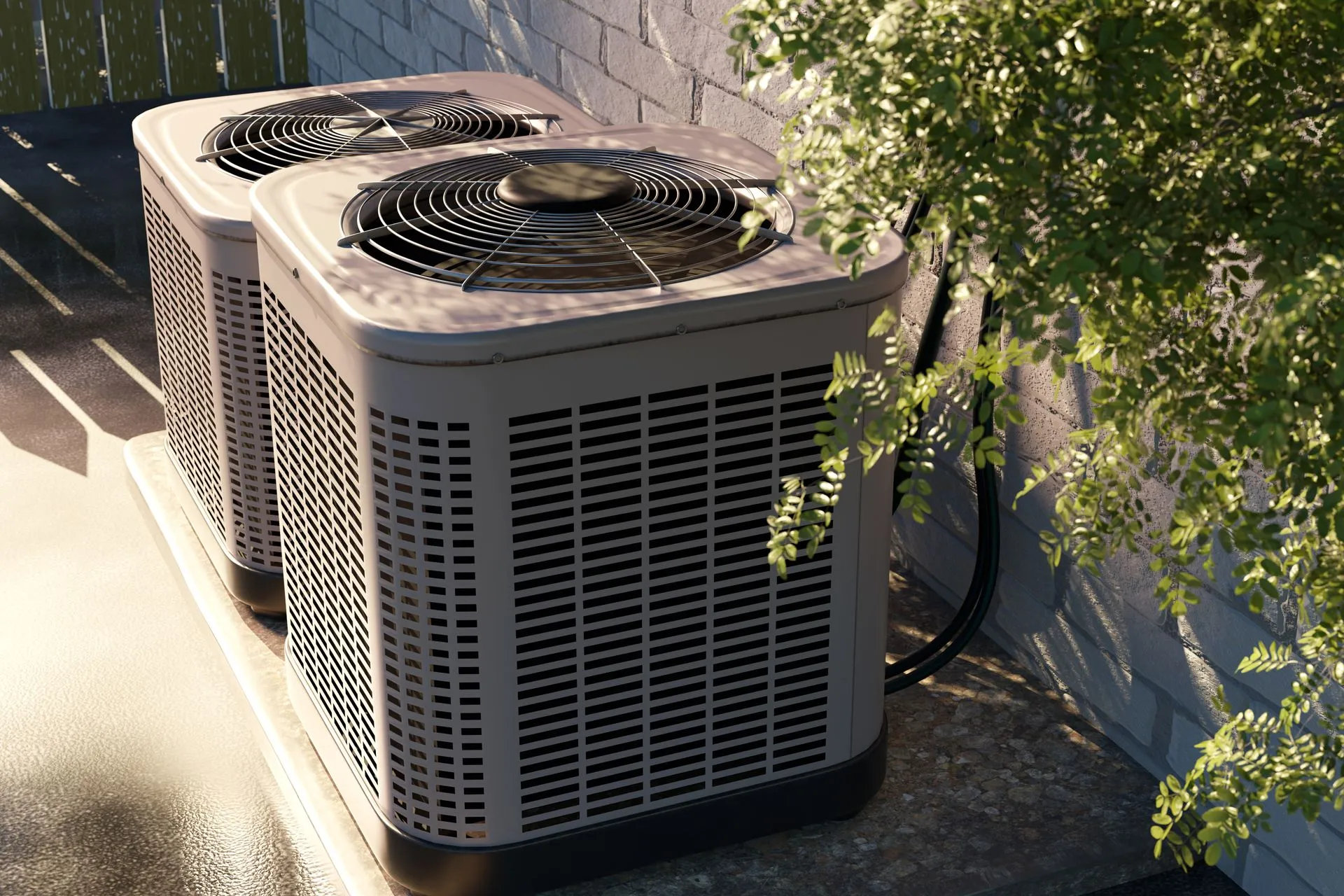
An HVAC system that runs constantly should at least make the building feel better. When it does not, the problem is no longer just a runtime issue. It is wasted runtime. The equipment is using energy, creating wear, and still falling short where comfort actually matters.
For property managers, facility managers, and building owners, that kind of performance problem is easy to misread. The system is technically operating, so it may not seem urgent at first. But long run cycles without better indoor conditions usually signal a deeper issue with airflow, load, controls, refrigerant performance, duct leakage, or the building itself. The key is understanding that runtime alone does not equal effective conditioning. The system may be working harder, but not working smarter.
Looking Beyond The Equipment Cabinet
- Long Runtime Is Not Always Capacity
Many owners assume long HVAC cycles automatically mean the system is undersized. Sometimes that is true, but often it is not. A system can run longer than necessary because conditioned air is not reaching the right areas, the thermostat is getting misleading information, or the building is losing comfort faster than the equipment can maintain it. In those cases, the issue is not only how much cooling or heating the unit can produce. It is how effectively that output is being delivered and retained.
That distinction matters because it changes the repair strategy completely. Replacing equipment without understanding why the current system runs so long can leave the underlying problem untouched. A bigger unit may still struggle if the ducts leak, the attic overheats, the building or the thermostat is shutting the system off and back on based on the wrong location. Long runtime is a symptom. The real cause still has to be identified.
- Where Lost Performance Begins
A contractor familiar with conditions like those handled by Price Heating & Air Conditioning near Muscle Shoals understands that long runtime with poor comfort usually points to a mismatch between system output and building response. The equipment may be producing conditioned air, but if that air is leaking into unconditioned space, arriving in weak volume, or being overwhelmed by solar gain and air leakage, the occupied rooms will never feel as stable as the runtime suggests they should.
That is why a proper diagnosis starts with the full comfort chain, not only the outdoor unit or air handler. The question is not simply whether the equipment turns on and runs. The more useful question is what the building is getting in return for that runtime. If comfort is not improving, some part of the path between generation and delivery is failing.
- Airflow Restrictions Slow Everything Down
One of the most common reasons an HVAC system runs too long is restricted airflow. If the blower cannot move enough air across the system, the equipment may still operate but with reduced ability to transfer heating or cooling into the living space. Dirty filters, closed dampers, blocked returns, weak blower performance, dirty evaporator coils, and undersized duct sections can all reduce airflow enough to lengthen cycle times without improving comfort.
This often creates a frustrating pattern. The thermostat keeps calling because the building never reaches target conditions efficiently, yet the system sounds busy enough that occupants assume it must be doing its job. In reality, the equipment is being forced to run longer simply because too little conditioned air is reaching the rooms or too little return air is supporting the system’s overall performance.
- Duct Leakage Wastes Delivered Air
Duct leakage is another major cause of excessive runtime. When conditioned air escapes into attics, crawlspaces, wall cavities, or basements before it reaches the intended rooms, the system has to run longer to compensate. The same is true when return ducts pull hot, humid, or unconditioned air into the system from outside the living space. In both cases, the equipment keeps operating, but a portion of its effort never benefits the occupied areas.
This is especially common in older homes and buildings where duct systems have aged, shifted, or were never sealed as well as they should have been. The HVAC unit may be technically sufficient for cooling or heating, but the distribution system is bleeding performance before the air reaches the space. That is why long runtime often persists even after filters are changed or thermostats are adjusted. The loss is happening in transit.
Runtime Should Produce Results
An HVAC system runs longer than necessary without improving comfort when something in the chain between conditioning, delivery, control, and building performance is falling short. Airflow restrictions, duct leakage, thermostat issues, refrigerant problems, excessive heat gain, humidity imbalances, and poor duct design can all cause the system to remain active without delivering the results occupants expect.
For property managers and building owners, the practical lesson is clear. Long runtime should not be treated as proof that the system is trying hard enough. It should be treated as a signal that the system and the building are no longer working together efficiently. Once the actual cause is identified, repairs become more targeted, energy use becomes more reasonable, and the building starts to feel the benefits of the runtime it is already paying for.
Read More: How Can Garage Door Repair Services Find the Source of Repeated Cable Problems?
