

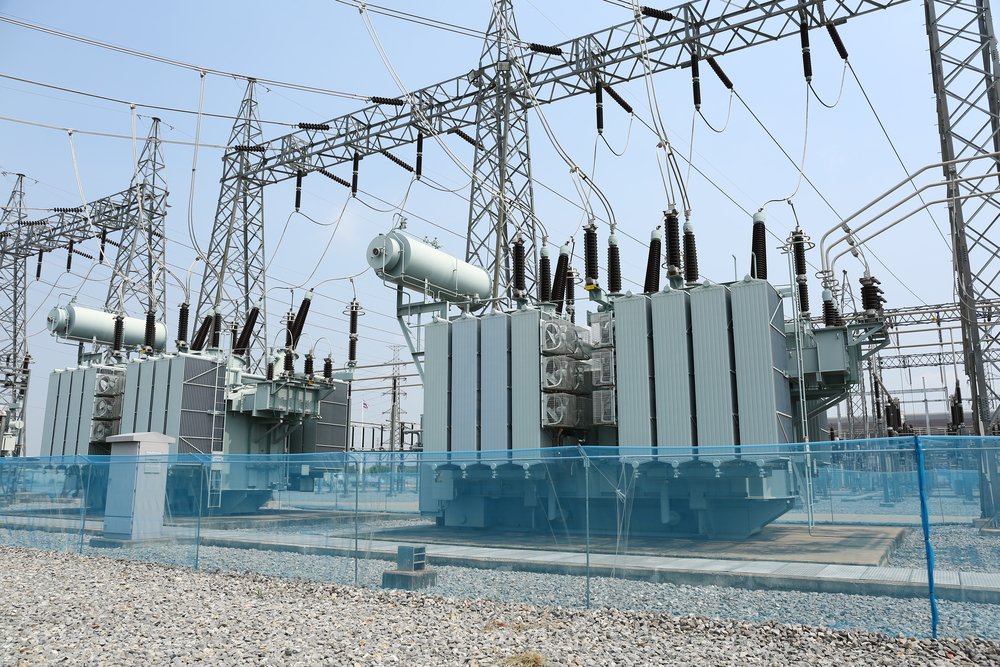
In any industrial setting, especially in power plants, safety and security are of paramount importance. Power plants, which generate and distribute electricity, operate under intense pressures, high voltages, and the constant risk of hazardous incidents. One of the primary components in these facilities is the transformer, which steps up or steps down electrical voltage for distribution. These large and vital units can be vulnerable to explosions, fires, and other accidents due to electrical malfunctions, surges, or external threats. To ensure the safety of personnel, equipment, and surrounding areas, transformer blast walls are used to contain and control potential damage. These walls play a crucial role in preventing widespread destruction and minimizing the risks of catastrophic events, such as fires or explosions, that could disrupt operations and pose severe dangers to workers and the environment.
The Need for Protection in Power Plants
- Key Features of Transformer Blast Walls
Transformer blast design: explosions with a powerful impact caused by transformer failures, particularly those involving electrical faults or short circuits. These walls are typically constructed from reinforced concrete, steel, or other robust materials to ensure that they can absorb and direct the force of an explosion away from the rest of the plant. The walls are strategically placed around transformers to isolate them from surrounding structures and personnel, offering a layer of protection against flying debris, shockwaves, and intense heat. The primary purpose of these blast walls is to mitigate the effects of an explosion and to prevent the fire or damage from spreading throughout the plant. In critical situations, a Transformer Blast Wall can mean the difference between a localized incident and a full-scale disaster that could take the plant offline for extended periods or cause irreparable harm.
- The Role of Transformer Blast Walls in Operational Safety
Transformer blast walls are integral to maintaining operational safety in power plants. By effectively containing transformer explosions, these barriers help prevent fires from spreading to other vital equipment, such as circuit breakers, generators, or control rooms. If a transformer were to explode without the protection of a blast wall, the resulting damage could severely disrupt the plant’s power generation and harm the entire grid. Moreover, transformer blast walls help protect workers in proximity to the equipment, shielding them from potential explosions and subsequent fire hazards. In the absence of such a protective measure, workers may face an increased risk of injury or death from the intense heat, shrapnel, and electrical hazards generated during an explosion. The installation of these blast walls helps to create a safer working environment, reducing the likelihood of fatalities and injuries while maintaining operational efficiency.
- Mitigating Risks and Protecting the Plant’s Future
A significant benefit of transformer blast walls is their ability to limit the long-term impact of accidents on a power plant’s operations. Power plants are expensive to build, operate, and maintain, and any disruption in their ability to generate electricity can have extensive financial consequences. Transformer failures, while not common, can cause significant downtime, especially if the plant lacks adequate protective infrastructure. The presence of transformer blast walls helps mitigate the severity of such incidents, reducing the time needed for repairs and maintenance following an accident. By containing and isolating explosions, these walls ensure that the plant remains operational as quickly as possible, with minimal damage to surrounding equipment. The strategic design and placement of these walls also enable faster recovery, which is critical for plants serving large populations or industries that rely on a continuous power supply.
- Transformer Blast Walls and Compliance with Industry Standards
Compliance with safety regulations and industry standards is another critical reason for installing transformer blast walls in power plants. Regulatory bodies such as OSHA (Occupational Safety and Health Administration) and NFPA (National Fire Protection Association) set strict guidelines for the construction and operation of power plants to protect workers and the environment. These regulations often require the installation of physical safety measures, such as blast walls, to meet specified safety standards. Transformer blast walls are an essential part of these compliance efforts, ensuring that plants adhere to safety protocols designed to protect workers, equipment, and the plant’s surrounding environment. By adhering to these safety standards, power plants can avoid legal liabilities and ensure their operations meet the safety benchmarks set by regulatory authorities.
Safeguarding Power Plant Operations
In conclusion, transformer blast walls are a critical safety feature in power plants, providing vital protection against explosions, fires, and other hazards arising from transformer malfunctions. These walls help mitigate the impact of accidents, protecting workers, minimizing damage to equipment, and ensuring that power plants can continue operating safely and efficiently. By containing and isolating explosions, transformer blast walls not only preserve human life and the environment but also ensure that the plant can recover quickly and resume operations without significant financial setbacks. As power plants continue to evolve and expand, the importance of these blast walls in maintaining safety, compliance, and operational continuity cannot be overstated.
Read More: How Do You Choose the Right Freight Shipping Method for Your Business Needs?
