

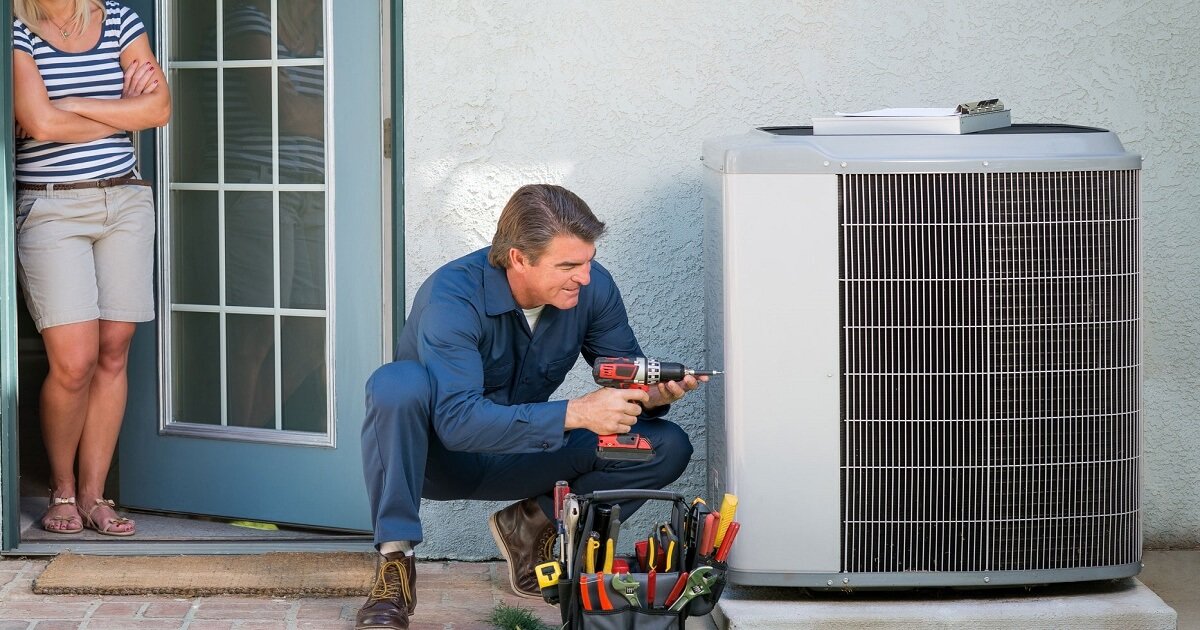
Choosing an HVAC contractor is a critical decision for both homeowners and business operators because heating, ventilation, and air conditioning systems are central to comfort, safety, and energy efficiency. A contractor’s ability to install, maintain, or repair HVAC equipment affects system performance, reliability, and long-term operating costs. Selecting a provider who communicates clearly, adheres to industry standards, and understands the building’s specific needs ensures that installations or repairs are completed correctly and efficiently. Proper selection reduces the risk of frequent breakdowns, higher energy bills, and premature system replacement. Thoughtful evaluation of potential contractors safeguards both investment and daily comfort, making the selection process a priority for any property owner.
What This Article Covers
- Assessing Credentials and Compliance
Before choosing an HVAC contractor, it is essential to verify credentials and regulatory compliance. Licensing indicates that a contractor has met minimum industry standards, understands local building codes, and is legally permitted to perform installations or repairs. Insurance coverage protects the property owner in the event of accidental damage, worker injury, or other unforeseen incidents during work. Some contractors may also maintain ongoing training for employees to keep current with evolving equipment and safety standards. Checking reviews, references, and records of prior work provides insight into reliability, punctuality, and professionalism. Engaging a contractor who demonstrates thorough documentation and adherence to codes ensures safer installations, reduces liability, and prevents costly corrective work caused by shortcuts or misunderstandings.
- Understanding Experience and Range of Services
A contractor’s experience with different types of HVAC systems, building sizes, and operational contexts matters for both homes and commercial properties. Residential units have different demands than commercial systems, which may require more complex zoning, ductwork, or energy management. Experienced contractors are better positioned to recognize potential issues, propose effective solutions, and adapt procedures to unique architectural or mechanical conditions. Visiting offices, consulting past project portfolios, and asking specific technical questions provides clarity about capabilities. For residents or businesses, proximity can also influence response times, service availability, and overall convenience. For example, engaging a provider with an Auburn office can ensure rapid scheduling, regional knowledge, and easier communication, which is especially valuable during emergencies or seasonal service peaks. Understanding the contractor’s operational range helps avoid delays, miscommunication, and work that does not meet the property’s requirements.
- Evaluating Pricing and Estimates
Cost is a significant factor in choosing an HVAC contractor, but it should be considered alongside value, thoroughness, and reliability. Contractors often provide detailed estimates that include equipment, installation or repair labor, permits, and potential contingencies. Transparent estimates help property owners compare services without hidden fees or unexpected charges. Additionally, pricing should reflect the quality of materials and installation methods rather than simply the lowest upfront cost. A clear breakdown allows homeowners and business managers to identify areas where adjustments can reduce expenses without compromising performance. Contractors who offer written guarantees on labor and parts further protect the investment, ensuring that the price paid aligns with quality and long-term service expectations.
- Communication and Responsiveness
A successful relationship with an HVAC contractor depends on clear, timely communication. Contractors who respond promptly to inquiries, provide detailed explanations, and outline project timelines help property owners feel informed and confident. During installations or repairs, ongoing updates about progress, unexpected challenges, and scheduling adjustments prevent confusion and reduce stress. Effective communication also ensures that property owners understand maintenance requirements, warranty coverage, and operational procedures after work is completed. Contractors who take time to listen and answer questions demonstrate accountability and professionalism, fostering trust and minimizing misunderstandings. Choosing a contractor who values transparency and responsiveness is crucial for smooth operations and long-term satisfaction with the HVAC system.
- Warranty and Service Considerations
A contractor’s approach to warranties and follow-up service reflects commitment to quality and customer support. Reputable contractors provide clear information about manufacturer warranties on equipment, labor guarantees, and maintenance plans. Understanding the terms, duration, and coverage helps prevent future disputes and ensures that repairs or replacements are addressed efficiently. Contractors who offer ongoing maintenance programs can detect minor issues early, reducing downtime and extending system life. Reliable service ensures that any problem, from malfunctioning thermostats to refrigerant leaks, is addressed quickly and correctly. A proactive approach to warranties and service strengthens trust, limits unexpected expenses, and maintains system efficiency over time.
- References and Reputation
Reviewing references and reputation provides insight into a contractor’s consistency, reliability, and workmanship quality. Speaking with previous clients, checking online reviews, and investigating local business ratings can reveal how a contractor handles installations, maintenance, and repairs. Patterns in feedback, including punctuality, thoroughness, and problem resolution, indicate what to expect during engagement. Positive reputation often reflects adherence to safety standards, effective communication, and fair pricing, while repeated complaints can highlight recurring issues. In addition to client experiences, contractors affiliated with trade associations or industry groups may have access to ongoing technical updates and professional networks that enhance performance. Selecting a contractor with a strong, verifiable reputation helps ensure that the investment in HVAC systems delivers comfort, efficiency, and longevity.
Choosing the right HVAC contractor involves careful assessment of credentials, experience, pricing, communication, warranty coverage, and reputation. Property owners must consider both residential and commercial needs to ensure installations, maintenance, and repairs are conducted properly and efficiently. Verifying licensing and insurance, understanding the scope of service, reviewing estimates, and evaluating responsiveness help prevent mistakes, delays, and unnecessary costs. Checking references and confirming warranties further protects long-term investment and system performance. By prioritizing reliability, transparency, and local presence, homeowners and businesses can secure a contractor who maintains comfort, efficiency, and safety while reducing the risk of expensive repairs or premature system replacement.
