

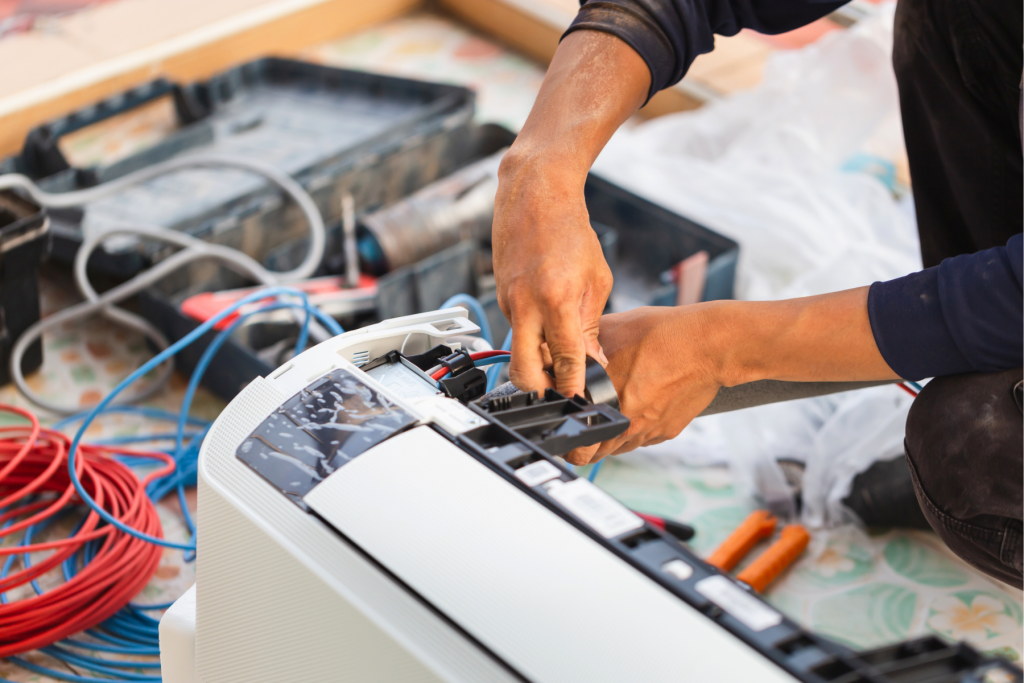
Troubleshooting common line set problems in HVAC systems requires understanding how refrigerant travels between indoor and outdoor units and how minor defects can disrupt performance. Line sets consisting of copper suction and liquid lines are essential for maintaining proper pressure, temperature control, and system efficiency. When issues occur, they can lead to reduced cooling capacity, higher energy consumption, and potential compressor damage. We will explore frequent problems technicians encounter, including leaks, sizing issues, insulation failures, and installation errors. Each issue affects system performance in distinct ways, and identifying symptoms early helps prevent costly repairs and system downtime in residential and commercial HVAC applications.
Refrigerant Line Set Leaks and Pressure Loss
Refrigerant line set leaks are among the most common issues affecting HVAC system performance, often leading to gradual or sudden pressure loss that compromises cooling efficiency. Leaks typically develop at brazed joints, flare connections, or along copper tubing that has been stressed during installation or has been subjected to vibration over time. When refrigerant escapes, system pressure drops, causing evaporator coil temperatures to rise and reducing heat exchange capability. This imbalance forces the compressor to work harder, increasing energy consumption and shortening equipment lifespan. Detecting leaks early often requires pressure testing electronic leak detectors or visually inspecting for oily residue near connection points.
In many cases, small leaks go unnoticed until significant performance degradation occurs. Proper repair involves sealing or replacing affected sections, followed by system evacuation and recharge to restore correct operating conditions. Technicians also assess the surrounding insulation because thermal loss can mask underlying leak symptoms, especially in humid environments where condensation quickly forms around damaged lines. Pressure irregularities often present as inconsistent indoor cooling temperature swings or longer compressor cycles. Addressing these issues promptly prevents further system stress and improves overall reliability of HVAC operation, especially in older installations where wear and corrosion are more likely to occur over extended periods, as detailed at https://ad.engineering/linesets/
Improper Line Set Sizing and Flow Restrictions
Improper line set sizing is a critical issue that can significantly affect HVAC system performance, leading to refrigerant flow restrictions and inefficient heat transfer when line sets are too small. Refrigerant velocity increases beyond optimal levels, causing pressure drops and reduced system capacity. Conversely, oversized lines can result in inadequate oil return to the compressor, which may lead to mechanical wear and eventual failure. Proper sizing requires careful consideration of manufacturer specifications, system load, and total line length, including vertical rises and bends. Each deviation in diameter or routing affects refrigerant dynamics within the closed loop, making accurate installation essential for balanced operation.
Technicians often observe symptoms such as uneven cooling weak airflow or excessive compressor noise when sizing issues are present These problems can be compounded by partial blockages caused by debris moisture or kinks in copper tubing which restrict flow further diagnostic evaluation typically includes pressure readings temperature differentials and visual inspection of line routing to ensure compliance with design standards preventing long term inefficiencies and reducing risk of compressor strain and system imbalance especially in complex multi zone installations requiring precise refrigerant distribution across multiple evaporator circuits and varying load conditions over extended operational cycles under fluctuating demand
Insulation Damage and Thermal Inefficiency
Insulation damage along HVAC line sets is a frequent contributor to thermal inefficiency and reduced system performance. When protective insulation degrades or becomes improperly installed refrigerant lines are exposed to ambient temperature fluctuations leading to unwanted heat gain or loss depending on system mode In cooling applications insufficient insulation causes suction lines to absorb heat from surrounding air reducing efficiency and forcing compressor to operate longer cycles This increases energy consumption and places additional strain on critical components In heating modes the opposite effect can occur where heat loss reduces delivered capacity.
Proper insulation materials, such as foam sleeves or elastomeric wraps, are designed to minimize heat transfer and maintain stable refrigerant conditions along the entire line set. However, damage from ultraviolet exposure, physical abrasion, or poor installation practices often leads to cracks gaps, or complete insulation loss. Technicians diagnosing these issues typically inspect visible sections of line sets for signs of deterioration condensation buildup, or inconsistent temperature readings across the system. Proper correction involves replacing damaged insulation and ensuring continuous coverage without breaks, particularly at joints, bends, and outdoor exposed segments, which are most vulnerable to weather-related stress over time especially in high-humidity environments.
Troubleshooting HVAC line set problems requires systematic evaluation of leaks sizing issues insulation failures and installation errors Each category affects system efficiency in different ways but all can lead to reduced performance increased energy consumption and potential equipment damage Early detection and corrective action help maintain stable operation and extend system lifespan Understanding how line sets function allows technicians to identify root causes more efficiently ensuring reliable cooling and heating performance across residential and commercial environments especially when environmental conditions fluctuate and demand increases without proper maintenance practices over time leading to long term system resilience challenges if neglected regularly.
Read More: How Does Office Furniture Affect Focus and Daily Productivity?
