

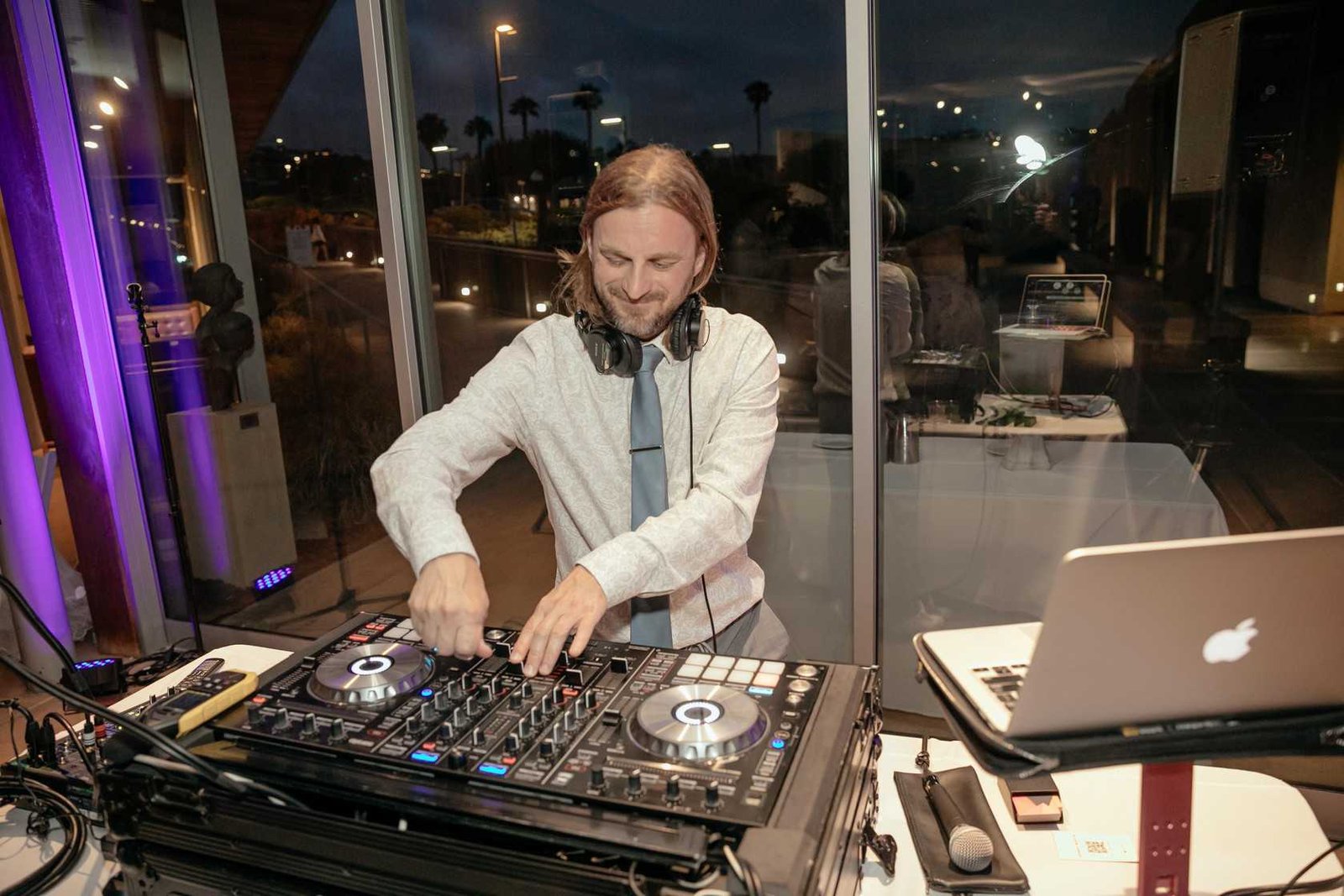
Guest requests can add personality to an event, but they can also disrupt the mood if handled carelessly. A DJ has to balance individual song ideas with the room’s larger rhythm, the host’s preferences, and the timing of the celebration. Playing every request immediately can make the music feel scattered, while ignoring guests can make the event feel less welcoming. The right approach combines listening, timing, and musical judgment. When requests are managed thoughtfully, guests feel included, the dance floor stays active, and the event keeps a smooth, connected pace from one moment to the next.
Smooth Request Control
- Reading the Room Before Playing Anything
DJs handle requests by first observing the room rather than treating every suggestion as the next track. A song may be meaningful to one guest, but it still needs to fit the current energy, tempo, age mix, and mood. If the dance floor is moving to upbeat pop, a sudden shift to a slow ballad or an unrelated genre can break the momentum. A DJ may accept the idea, remember it, and wait for a point where it can blend naturally. This timing matters during weddings, private parties, and formal events because music often supports speeches, dinner, dancing, introductions, and closing moments. A Milwaukee Wedding DJ Company can help couples create request guidelines before the event, which gives the DJ a clear framework for guest suggestions. By reading the room first, the DJ keeps control of the musical path while still making space for songs that may work later in the night. This also protects the emotional arc of the event, allowing high-energy moments, quiet moments, and group favorites to arrive with purpose rather than surprise.
- Setting Boundaries with Polite Communication
A request can be handled smoothly when the DJ responds with tact. Guests often approach the booth with excitement, and some may expect their song to play right away. Instead of refusing bluntly, the DJ can say the song will be checked, saved for a better moment, or compared with the host’s playlist. This keeps the guest respected without giving one request too much control over the event. Boundaries also protect do-not-play lists, clean version requirements, cultural preferences, and songs reserved for key moments. Some DJs use written request cards, a QR form, or a trusted contact person so requests arrive in an organized way rather than interrupting transitions. Good communication also reduces crowd pressure around the booth, allowing the DJ to focus on beat matching, announcements, and timing. When guests understand that requests are considered rather than guaranteed, the celebration stays friendly without losing its structure or musical direction. This approach is especially useful when several guests ask for conflicting styles within minutes of each other.
- Blending Requests into the Event Plan
Even when a requested song is suitable, placement decides whether it helps the room or disrupts it. DJs often group songs by tempo, era, genre, or energy level so the music rises and settles naturally. A family favorite may work during a mixed-generation dance block, while a newer club track may fit better after the floor is already full. The DJ may also use a shorter edit, a clean version, or a transition track to connect the request with the current set. This keeps the change from feeling sudden. Host priorities remain the primary guide, especially when the event includes must-play songs, avoid songs, cultural music, or a planned final track. Requests that conflict with those choices can be skipped quietly. By blending good requests into the larger plan, the DJ turns guest input into part of the celebration rather than a distraction. A thoughtful set also leaves room for surprise without making the night feel unplanned, helping guests stay engaged across ages and musical tastes.
- Managing Requests During Key Event Moments
DJs also protect the flow by knowing when to decline requests, even if the song itself is a good choice. Certain moments need full attention, such as the couple’s entrance, first dance, dinner transition, speeches, cake cutting, bouquet toss, or final song. During these parts, a random request can interrupt the timing and weaken the planned atmosphere. A skilled DJ keeps the event schedule in mind and avoids changing direction when the room is focused on a specific moment. Requests are usually saved for open dancing, cocktail hour, or a later part of the night when the music can shift more freely. This helps the event feel organized instead of reactive. It also shows respect for the host’s planning, since many important songs are chosen in advance for emotional or cultural reasons. By separating request-friendly moments from planned moments, the DJ keeps the celebration smooth while still allowing guests to contribute when the timing is right.
DJs handle guest requests without interrupting the flow by combining awareness, timing, and clear communication. They listen to suggestions, study the dance floor, protect the host’s preferences, and choose the right moment for songs that fit. Polite boundaries help guests feel heard without allowing every request to control the room. Smooth transitions keep the music connected, while careful planning prevents sudden changes that empty the dance floor. When managed well, requests can add energy, memories, and variety to the event. The result is a celebration that feels guest-friendly, well-organized, and enjoyable for everyone from start to finish.
Read More: Trulife Distribution Lawsuit: What Happened, Key Allegations, and Lessons for Businesses
