

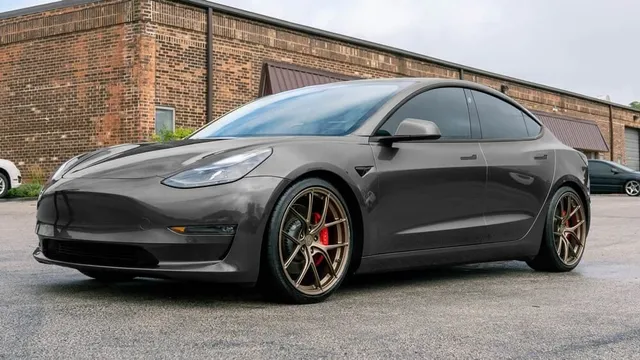
Colored paint protection film gives vehicle owners a way to change the look of a car while adding a real layer of surface protection. That is what makes it different from other finish-change options.
Unlike a repaint, it is reversible. Unlike a standard vinyl wrap, it is built around both protection and appearance. Current products are available in gloss, matte, and specialty finishes, and leading manufacturers market colored or specialty PPF with features such as self-healing surfaces, hydrophobic top coats, and long warranty coverage.
This guide explains how colored PPF works, how it compares with repainting and vinyl wraps, and what to consider before choosing a product or installer.
What Is Colored PPF and How Does It Work
Understanding Colored PPF Film Technology
Colored PPF is a thermoplastic polyurethane film designed to change a vehicle’s appearance while helping protect painted surfaces from chips, scratches, stains, and road wear.
Unlike clear PPF, it adds a visible change in finish while still maintaining the protective function that makes paint protection film popular in the first place. XPEL describes its color paint protection film as a durable, self-healing urethane film that shields paint while adding color finishes.
Modern colored PPF products are engineered as protective films, not just cosmetic layers. Manufacturer materials for current PPF products highlight self-healing surfaces, dirt- and moisture-resistant top coats, and warranty terms that can reach 10 years depending on the product.
Key Differences From Traditional Clear PPF
Clear PPF is meant to preserve the factory paint color with minimal visual change. Colored PPF serves a different purpose. It allows a finish change while still providing the impact and surface protection people expect from paint protection film. The protection remains central, but appearance becomes part of the upgrade.
Self-Healing and Protective Features
One of the biggest reasons people choose PPF is its ability to handle daily wear better than unprotected paint. Current manufacturer descriptions show that many films are designed to self-heal from light surface marks with heat exposure, while also helping protect against road debris, stains, and moisture. Hydrophobic top coats can also make the surface easier to maintain.
Colored PPF vs. Repainting vs. Vinyl Wrap
Why Colored PPF Stands Out Against Repainting
A repaint is a permanent finish change. Colored PPF is not. That reversibility is one of its most practical advantages because the film can be professionally removed later, allowing owners to return to the original finish if they choose.
It also adds a protective layer over the paint, which a repaint does not provide in the same way.
Colored PPF Versus Traditional Vinyl Wrap
Colored PPF and vinyl wraps can both change the appearance of a vehicle, but they are not built for the same purpose. Vinyl is mainly a styling product, while colored PPF is positioned by manufacturers and installers as a finish-change product with real paint protection benefits. That makes it more relevant for owners who want both customization and surface defense.
Durability and Long-Term Value
Durability is one of the clearest differences. SunTek states that professionally installed PPF is designed to last at least 5 years and up to 12 years, depending on the product, and several premium PPF lines are backed by 10-year limited warranties.
That does not make every film identical, but it helps explain why PPF is usually treated as a longer-term option than a basic appearance-only wrap.
Benefits of Full-Body Colored PPF for Your Vehicle
Protection Across the Whole Exterior
Full-body colored PPF creates a consistent layer across painted panels, helping protect against rock chips, road debris, stains, and day-to-day surface wear. That kind of broad coverage is especially useful for owners who drive frequently, keep vehicles for several years, or want to protect the original finish underneath.
Preserving the Original Paint
Because the film sits over the original paint, it can reduce direct exposure to common causes of cosmetic damage. That makes colored PPF appealing for owners who want a different look now without giving up the option to reveal the original paint later.
It is one of the main reasons colored PPF is often closer to a reversible upgrade than a permanent color change.
Customization Without a Permanent Commitment
This is one of colored PPF’s clearest strengths. Drivers can change the appearance of the vehicle, choose a finish that fits the build, and still keep the underlying paint protected. For owners who like customization but do not want to commit to repainting, that flexibility is a major advantage.
A More Refined, Factory-Like Finish
When installed well, colored PPF can create a smooth, consistent appearance across the vehicle. The final result depends heavily on the film choice and installer skill, but current product lines are specifically marketed for both vehicle personalization and paint protection.
Choosing the Best Colored PPF for Your Car
Film Options and Finishes
Colored PPF is available in a wider range of finishes than many drivers expect. Official product lines and installer service pages now feature gloss, matte, color-rich, and specialty looks, giving owners more room to personalize a vehicle without moving away from the protective function of the film.
Quality, Warranty, and Installer Fit
A good film matters, but installation quality matters just as much. Even strong products can underperform if prep work, alignment, edge finishing, or post-install care are handled poorly.
When comparing options, it makes sense to look at warranty coverage, finish selection, and whether the installer regularly works with colored PPF rather than offering it only occasionally.
Choosing a Provider for Colored PPF
If you are shopping for professional colored film protection installers in Toronto, ID Protection is a specialist in color-change protection, chrome-delete options, and a service built around colored paint protection film.
Installation Process and Timeline
The timeline for colored PPF installation depends on vehicle size, body-line complexity, the amount of disassembly required, and the finish being applied. Full-body jobs take more planning and precision than partial installs, especially when the goal is a seamless appearance. More important than speed is process quality.
Careful prep, clean installation conditions, and strong finishing work usually matter more than getting the vehicle out quickly.
Conclusion
Colored PPF gives vehicle owners a rare combination of style, flexibility, and real paint protection. It can change the appearance of a car, help defend the surface underneath, and preserve the option to return to the original finish later.
Compared with a repaint, it is less permanent. Compared with a standard vinyl wrap, it is built with protection in mind. That makes it a practical option for drivers who want more than a cosmetic change.
